

Plastic recycling is a critical process in today’s industrial and environmental landscape, converting used plastic into valuable new products. This involves several stages—collection, sorting, shredding, cleaning, melting, and pelletizing—each requiring specialized machinery to ensure efficiency and quality. In this detailed guide, we will walk through each step of the plastic recycling process, highlight the necessary equipment, discuss the types of plastics that can be recycled, and provide insights to help industry professionals, buyers, and traders make informed decisions. Whether you are setting up a new recycling line or optimizing an existing one, understanding these fundamentals is key to success.

Verständnis des Kunststoffrecyclingprozesses
Der Kunststoffrecyclingprozess ist ein mehrstufiges Verfahren, das Abfallkunststoff in wiederverwendbares Material umwandelt. Jede Stufe ist entscheidend für die Aufrechterhaltung der Qualität und Reinheit des recycelten Endprodukts. Nachfolgend beschreiben wir den Prozess Schritt für Schritt, wobei die beteiligten Maschinen und ihre Funktionen detailliert werden.
1. Sammlung
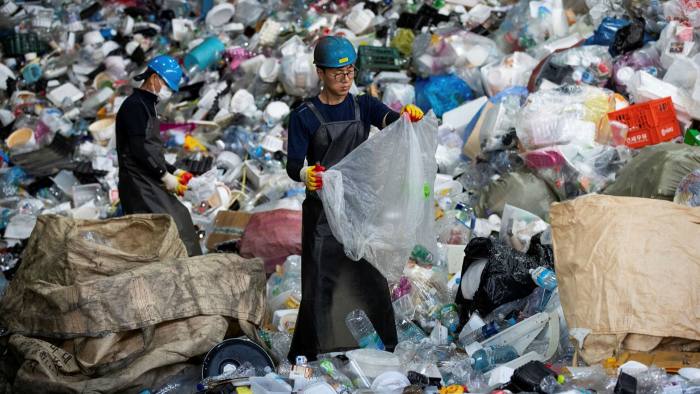
Der erste Schritt beinhaltet die Sammlung von gebrauchtem Kunststoff aus verschiedenen Quellen wie Haushalten, Industrien und kommerziellen Einrichtungen. Methoden umfassen Hausmüllabholung, Abfallannahmestellen und industrielle Müllentsorgung. Effiziente Sammlungssysteme sind entscheidend, um eine ständige Versorgung der Recyclinganlagen mit Material sicherzustellen.
2. Sortierung
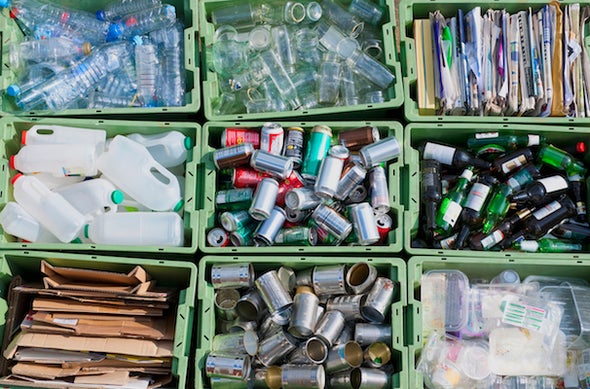
Nach der Sammlung müssen Kunststoffe nach Typ sortiert werden, da verschiedene Polymere unterschiedliche Recyclingprozesse erfordern. Gemeinsame Typen sind PET (Polyethylenterephthalat), HDPE (High-Density Polyethylen), PVC (Polyvinylchlorid), LDPE (Low-Density Polyethylen) und PP (Polypropylen). Automatisierte Sortiersysteme, oft mit Infrarottechnologie, helfen, Kunststoffe effizient zu kategorisieren, reduzieren Kontamination und verbessern die Recyclingausbeute.
3. Zerkleinern/Granulieren

Nach der Sortierung werden Kunststoffe zerkleinert oder granuliert in kleinere Stücke, um das Schmelzen und Formen zu erleichtern. Zerkleinerer und Granulatoren zerkleinern große Gegenstände in Flocken oder Pellets, was sie in den nachfolgenden Stufen einfacher zu handhaben macht. Dieser Schritt ist entscheidend für die Homogenisierung des Materials und die Vorbereitung auf die Reinigung.
4. Reinigung

Die Reinigung beseitigt Verunreinigungen wie Schmutz, Etiketten, Klebstoffe und Rückstände. Dies wird typischerweise mit Waschern durchgeführt, die Wasser, Detergentien und manchmal Chemikalien wie Natriumhydroxid verwenden. Eine richtige Reinigung stellt sicher, dass der recycelte Kunststoff den Qualitätsstandards für die Wiederverwendung entspricht, insbesondere in Lebensmittelanwendungen.
5. Schmelzen

Die gereinigten Kunststoffflocken werden in Extrudern oder Agglomeratoren geschmolzen. Dieser Prozess beinhaltet das Erwärmen des Kunststoffs auf eine bestimmte Temperatur, bei der er flüssig wird und geformt werden kann. Schmelzen ist eine entscheidende Phase, die die Viskosität und die Formbarkeit des Kunststoffs für die Pelletisierung bestimmt.
6. Pelletisierung

Ressource: Rumtoo-Maschine
Nach dem Schmelzen wird der Kunststoff durch eine Pelletieranlage in Pellets geformt. Diese Pellets sind gleichmäßig in Größe und Form, was sie ideal für die Herstellung neuer Produkte macht. Die Pelletisierung ist der letzte Schritt im Recyclingprozess, der ein Handelsprodukt produziert, das in verschiedenen Branchen wiederverwendet werden kann.
Typen recycelbarer Kunststoffe und ihre Eigenschaften
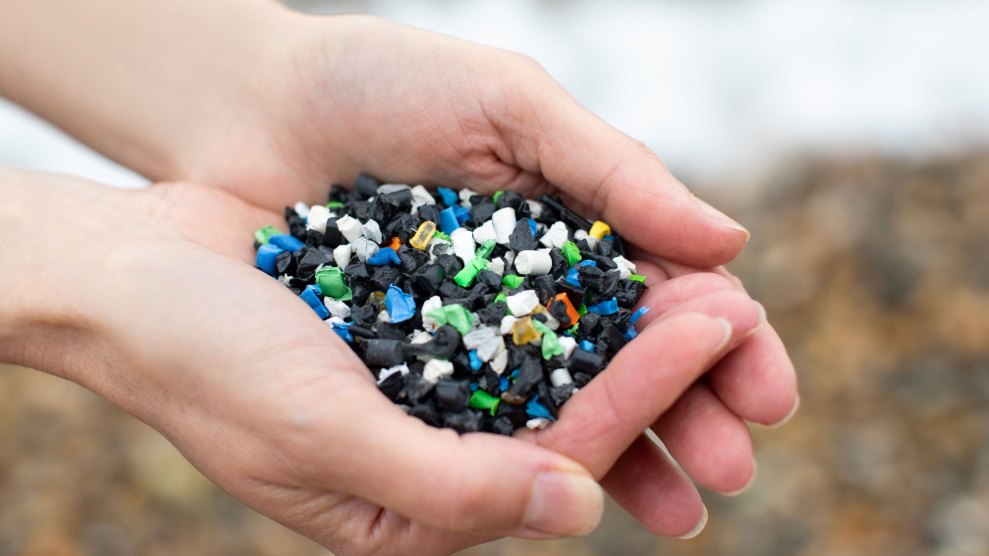
Nicht alle Kunststoffe sind gleich, und das Verständnis ihrer Eigenschaften ist entscheidend für ein effektives Recycling. Nachfolgend ist eine Tabelle, die häufig recycelbare Kunststoffe, ihre Anwendungen und Recyclingkriterien zusammenfasst:
| Plastik Typ | Häufige Anwendungen | Recyclingeigenschaften |
|---|---|---|
| PET | Getränkeflaschen, Lebensmittelbehälter | Hohe Festigkeit, Klarheit und essensgeschützter Zustand nach dem Recycling |
| HDPE | Milchflaschen, Shampooflaschen | Robust, chemikalienbeständig, leicht recycelbar |
| Kunststoff PVC | Rohre, Schläuche | Recycelbar, erfordert jedoch sorgfältige Handhabung aufgrund des Chlorinhalts |
| LDPE | Plastiktaschen, Verpackungsfolien | Flexibel, leicht, recycelbar mit spezieller Ausrüstung |
| PP | Lebensmittelbehälter, Automobilteile | Hitzebeständig, robust, weit verbreitet recycelt |
Wesentliche Maschinen in einer vollständigen Kunststoffrecyclinganlage

Ressource: Rumtoo-Maschine
Eine vollständige Kunststoffrecyclinganlage besteht aus mehreren Maschinen, die jede eine spezifische Funktion ausführt. Hier ist eine Aufschlüsselung der wichtigsten Geräte:
- Bandförderer: Transportiert Kunststoffabfälle oder Schüttgut zwischen Maschinen.
- Etikettenentferner: Entfernt Etiketten ohne Wasser und bewahrt die Qualität der Schüttgutflakes auf.
- Manuelle Sortierband: Lässt Arbeiter verbleibende Unreinheiten wie PVC oder Etiketten entfernen.
- Plastikzermahl-/-Zerkleinermaschine: Reduziert Kunststoff in Flocken oder Pellets für die Verarbeitung.
- Horizontale Schraubenlademaschine: Überträgt Material zur nächsten Stufe und stellt einen kontinuierlichen Fluss sicher.
- Schwebefilter: Nutzt Wasser, um leichte Verunreinigungen wie PP und PE zu trennen.
- Langsame Reibeschleuderwaschmaschine: Entfernt Sand, Schlamm und schweren Schmutz durch Abrieb.
- Heißer Wascher: Wird Hitze angewendet, um Öle und Klebstoffe zu lösen.
- Hochgeschwindigkeits-Reibungswascher: Reinigt Material weiter durch Entfernen feiner Teilchen.
- Beschusswaschmaschine (optional): Spült Chemikalien wie Natriumhydroxid ab.
- Schmelzmaschine: Heizt und schmilzt saubere Flocken in einen kontinuierlichen Streifen.
- Pelletierer: Schneidet flüssigen Kunststoff in einheitliche Pellets.
- Zentrifugal-Trockner: Reduziert den Feuchtigkeitsgehalt auf etwa 2%.
- Rohrleitungs-Trockner: Weitere Trocknung, um unter 1% Feuchtigkeit zu erreichen.
- Verpackungssystem: Sammelt und verpackt fertige Pellets zur Verteilung.
- Elektrische Verteilerbox: Steuert und automatisiert die gesamte Recyclinglinie.
Investition in eine gut integrierte Linie von einem zuverlässigen Lieferanten wie Rumtoo-Maschine sichert hohe Effizienz, Ausgabequalität und Renditeertrag.
Industrie-Trends und Best Practices für 2022
Die Kunststoffrecyclingindustrie entwickelt sich schnell, getrieben von umweltrelevanten Vorschriften und technologischen Fortschritten. Schlüsseltrends umfassen:
- Automatisierung: Erhöhte Nutzung von KI und Robotik für das Sortieren und Verarbeiten.
- Kreislaufwirtschaft: Akzent auf das Design von Produkten für einfacheres Recycling.
- Energie-Effizienz: Maschinen mit niedrigerem Energieverbrauch und höherem Durchsatz.
- Global Standards: Einhaltung internationaler Qualitäts- und Sicherheitsnormen.
Für Unternehmen kann die Zusammenarbeit mit erfahrenen Maschinenanbietern wie Rumtoo-Maschine helfen, diese Trends zu navigieren und beste Praktiken umzusetzen.
Häufig gestellte Fragen (FAQ)
Frage: Was ist die herausforderndste Phase im Recyclingprozess von Kunststoffen?
Antwort: Das Sortieren ist oft der komplexeste Schritt aufgrund der Vielzahl von Kunststofftypen und Verunreinigungen. Fortschrittliche Sortiertechnologie ist für die Effizienz entscheidend.
Frage: Können alle Kunststoffarten gemeinsam recycelt werden?
Antwort: Nein, verschiedene Kunststoffe erfordern separate Verarbeitung aufgrund ihrer Schmelzpunkte und chemischen Eigenschaften. Die Mischung führt zu Kontamination und schlechter Qualität des Endprodukts.
Frage: Wie wähle ich die richtige Recyclingmaschine für meine Bedürfnisse aus?
Antwort: Berücksichtigen Sie Faktoren wie den Kunststofftyp, die gewünschte Auslastung, den verfügbaren Raum und das Budget. Eine Beratung durch Experten wie jenen bei Rumtoo-Maschine kann maßgeschneiderte Lösungen bieten.
Frage: Welche Vorteile bietet die Verwendung von Pelletiertem recyceltem Kunststoff?
Antwort: Pellets sind einheitlich, leicht zu transportieren und ideal für die Herstellung neuer Produkte, bieten Konsistenz und reduzieren den Abfall.
Frage: Wie kann ich die Effizienz meiner Recyclinglinie verbessern?
Antwort: Regelmäßige Wartung, Schulung der Bediener und die Umstellung auf moderne, energieeffiziente Ausrüstung können die Leistung und die Qualität des Endprodukts erheblich verbessern.
Schlussfolgerung
Verständnis für den Recyclingprozess von Kunststoffen und die beteiligten Maschinen ist für jeden in der Branche, von Bedienern bis hin zu internationalen Händlern, unerlässlich. Jeder Schritt, von der Sammlung bis zur Pelletierung, erfordert präzise Ausrüstung, um hochwertiges recyceltes Material sicherzustellen. Durch die Aufrechterhaltung der Information über recycelbare Kunststoffe, Branchentrends und beste Praktiken können Unternehmen ihre Betriebsabläufe optimieren und zu einer nachhaltigen Zukunft beitragen. Für zuverlässige Maschinen und expertenmäßige Beratung wählen Sie Rumtoo-Maschine als Ihren Partner für den Aufbau einer effizienten und rentablen Recyclinglinie.
