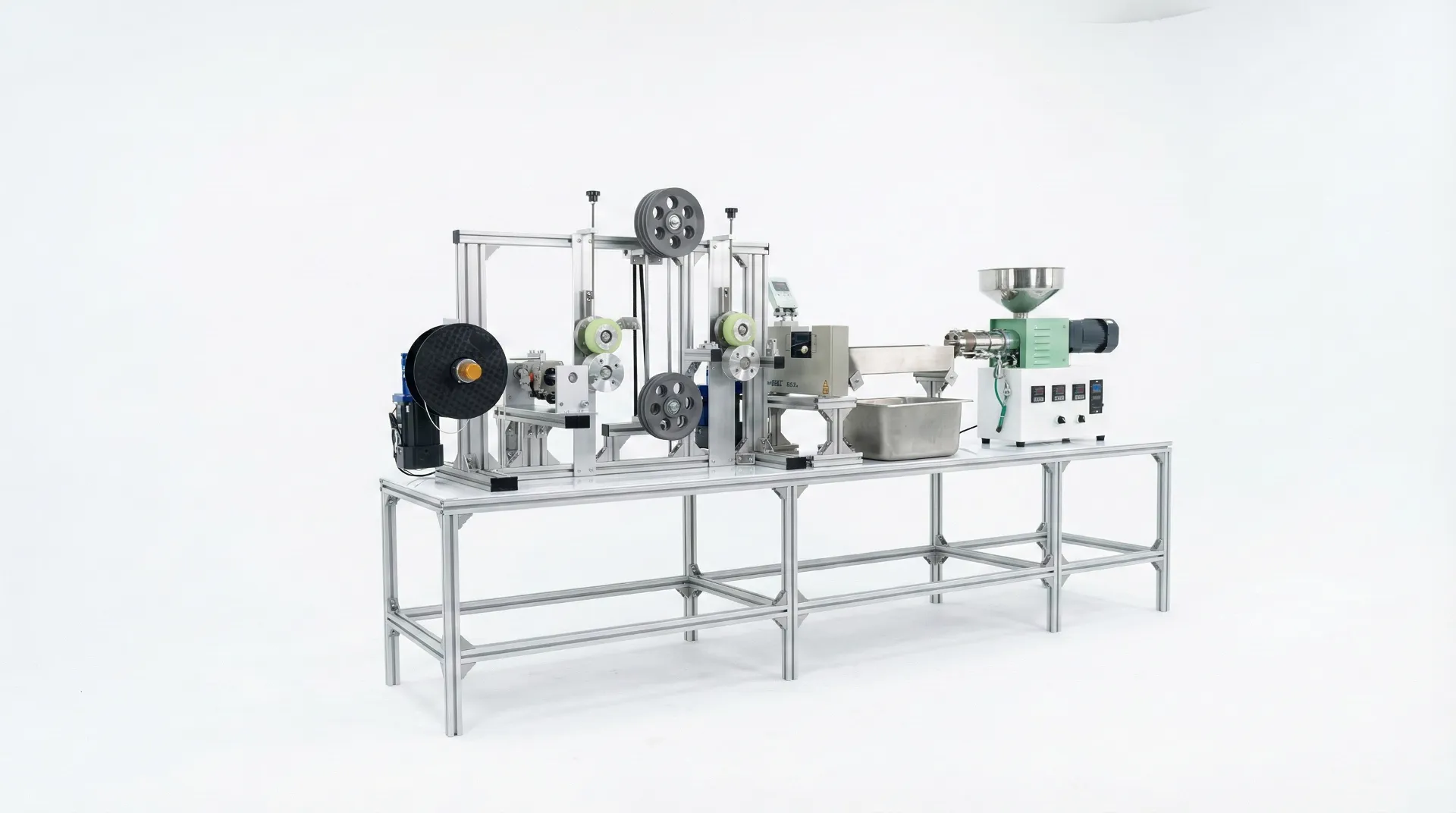
Plastic filament is the core input for fused deposition modeling (FDM) printing. As sustainability becomes a procurement and compliance requirement—not just a marketing message—professionals need to understand what each filament is made from, how it behaves, and whether it can be recycled into consistent, printable material. This page summarizes the most common filament types and then walks through reliable recycling options for home and small-scale operations.
Common Recycled Filaments at a Glance
Use this as a quick reference for sourcing and material expectations. Always keep materials separated by polymer family.
| Filament Type | Typical Source Material | Key Properties (Practical) |
|---|---|---|
| rPET (Recycled PET) | Bottles, thermoforms, packaging | Strong and durable; moisture-sensitive; quality depends heavily on drying and contamination control |
| rPLA (Recycled PLA) | Post-industrial PLA waste, failed prints | Easy to print; relatively low warping; still requires correct disposal and disciplined sorting |
| rABS (Recycled ABS) | Automotive / electronics plastics | Heat-resistant and tough; emissions/odor considerations; more sensitive to processing windows |
| rHIPS (Recycled HIPS) | Packaging and sheet waste | Lightweight; often used for supports; can be processed well with consistent particle sizing |
Biodegradable does not mean “safe to discard.” PLA typically needs industrial composting conditions to break down effectively. When you recycle or dispose of filament correctly, you reduce landfill volume, lower raw-material costs, and support circular manufacturing practices.
Can You Recycle 3D Printer Filament?
Yes—recycling filament is technically straightforward when you control three variables: polymer separation, dryness, and extrusion stability. PLA and PETG are generally more forgiving in small-scale setups, while ABS typically requires more precise control to preserve strength and avoid inconsistent flow. If you want to scale beyond occasional hobby use, you should treat filament recycling like a light industrial process: consistent input, repeatable drying, and stable extrusion parameters.
For users who prefer equipment-oriented workflows, suppliers such as Rumtoo Machine provide recycling-capable solutions that support shredding and reprocessing, which helps turn print waste into usable feedstock with fewer quality surprises.
How to Recycle Plastic Filament at Home
A home recycling workflow can produce functional filament when you follow disciplined steps and accept that “good enough” starts with consistent preparation. The objective is not just to melt plastic—it is to create filament with stable diameter, minimal bubbles, and predictable print behavior.
Collect and Sort Waste Filament
Your outcome depends on sorting accuracy. Treat this step as non-negotiable.
Collect failed prints, prototypes, supports, rafts, brims, and leftover filament ends. Then sort strictly by material type (PLA only, ABS only, PETG only, etc.). When you mix polymers, you create contamination that causes unstable extrusion, weak layer adhesion, and inconsistent surface finish.
Shred the Plastic into Uniform Pieces
Uniform particle size improves melting consistency and stabilizes extrusion pressure.
Use a shredder or grinder designed for plastics to produce small, consistent flakes. A uniform feed improves melt flow and helps your extruder maintain steady output, which is essential for controlling filament diameter.
Dry the Plastic Thoroughly
Moisture is the fastest path to bubbles, brittleness, and weak prints.
Dry shredded material before extrusion. For example, PLA is often dried at low temperatures (commonly around 40–45°C) to reduce moisture without risking deformation. If you skip drying, the melt can outgas during extrusion, which creates bubbles and diameter instability.
Extrude New Filament with Stable Controls
Temperature, puller speed, and cooling determine diameter stability.
Run the dried flakes through a filament extruder and control temperature by material type, extrusion speed, and cooling. Many modern systems offer diameter tuning and winding support. For users who want more robust recycling-oriented hardware, you can also evaluate equipment solutions from Rumtoo Machine for small-scale to professional-grade reprocessing needs.
Spool and Store Correctly
Good storage preserves the work you just did.
Spool filament evenly and store it in airtight containers with desiccant packs. Many filaments re-absorb moisture quickly, which can degrade print quality even if extrusion was successful.
Other Practical Ways to Recycle 3D Printing Waste
Use a Recycling Service
A good option when you have volume but do not want to manage equipment.
Some local recycling centers and specialized services accept 3D printing waste (often PLA). Look for programs that explicitly handle technical plastics and provide sorting guidance.
Donate Scraps to Schools, Makerspaces, or Art Programs
A practical route for clean, sorted waste streams.
Community programs often repurpose scraps for educational demonstrations, creative projects, or low-risk prototyping. This approach reduces waste while supporting local innovation.
Buy Recycled Filament (and Close the Loop)
Purchasing recycled materials strengthens the market for circular supply chains.
When you purchase rPET, rPLA, and other recycled filaments, you directly reduce reliance on virgin polymer and help normalize closed-loop manufacturing in additive workflows.
Tips for Reducing 3D Printing Waste
- Optimize designs: Reduce supports and overhangs where possible to cut scrap at the source.
- Slice efficiently: Improve bed adhesion and dialing-in profiles to reduce failed prints and wasted time.
- Choose recyclable filaments strategically: If you plan to recycle, standardize your material set instead of mixing many polymers.
- Reuse spools: Choose refill systems or reuse spools to reduce packaging waste.
When you combine waste prevention with recycling, you typically reduce material spend over time and improve operational efficiency—especially for high-volume printing environments.
FAQs
Can PLA be composted instead of recycled?
PLA can compost under industrial composting conditions. Most home compost systems do not reach the temperature and stability needed for reliable PLA breakdown, so recycling or controlled disposal is often more realistic.
Can I mix different filament types when recycling?
No. Mixing different polymers can cause contamination, inconsistent extrusion, weak prints, and unreliable mechanical properties. Recycle each material type separately.
Is recycled filament as reliable as new filament?
It can be, if you control sorting, drying, and extrusion stability. In practice, recycled filament may show slightly more diameter variation or brittleness if the input contains impurities. Better preparation and robust equipment reduce these issues.
What equipment do I need to start recycling filament at home?
A typical baseline setup includes a shredder (or grinder), a dryer, and a filament extruder with a stable puller/cooling path. If you want higher repeatability, choose purpose-built tools from established suppliers.
How does recycling filament impact overall printing costs?
Recycling can reduce material spend over time, especially for frequent printers. The economics depend on your scrap volume and how often you can reuse output successfully; the initial equipment cost is usually offset only when throughput is steady.
Summary: Filament recycling works best when you treat it as a controlled process—separate polymers, dry aggressively, and extrude with stable parameters. When you implement these disciplines, recycling supports sustainability goals while improving long-term cost efficiency.
Want a More Consistent Recycling Setup?
If you plan to recycle filament regularly, focus on repeatability: stable shredding, reliable drying, and extrusion controls. You can also review recycling-oriented equipment options from Rumtoo Machine to scale from hobby use to a more production-minded workflow.