Plastic filament is the core input for fused deposition modeling (FDM) printing. As sustainability becomes a procurement and compliance requirement—not just a marketing message—professionals need to understand what each filament is made from, how it behaves, and whether it can be recycled into consistent, printable material. This page summarizes the most common filament types and then walks through reliable recycling options for home and small-scale operations.
Gebuikte Recyclate Filaments op een Oogopslag
Gebruik dit als een snelle referentie voor het verkrijgen van materialen en verwachtingen. Houd altijd materialen gescheiden op basis van polymerfamilie.
| Filamenttype | Typische Bronmaterialen | Belangrijkste Eigenschappen (Praktisch) |
|---|---|---|
| rPET (Gerecycled PET) | Flessen, thermoformingen, verpakkingen | Sterk en duurzaam; gevoelig voor vochtigheid; kwaliteit hangt sterk af van droging en vervuilingbeheer |
| rPLA (Gerecycled PLA) | Post-industriële PLA-afval, mislukte prints | Gemakkelijk te printen; relatief weinig warping; vereist nog steeds correcte afvoer en disciplineerde sortering |
| rABS (Gerecycled ABS) | Automotief / elektronische kunststoffen | Hittebestendig en krasbestendig; overwegingen met betrekking tot emissies/geur; gevoeliger voor verwerkingsvensters |
| rHIPS (Gerecycled HIPS) | Verpakkings- en plaatafval | Licht van gewicht; vaak gebruikt voor ondersteuning; kan goed worden verwerkt met consistent particle sizing |
Biodegradable betekent niet “veilig om weg te gooien.” PLA heeft meestal industriële composteercondities nodig om effectief af te breken. Wanneer je filament correct recycleert of afvoert, vermindert je het volume van de vuilnisbelt, verlaag je de kosten voor grondstoffen en ondersteun je circulaire productiepraktijken.
Kan U 3D-printerfilament Recyclen?
Ja—filamentrecycling is technisch eenvoudig wanneer je drie variabelen beheert: polymeren scheiden, droogheid en extrusiestabiliteit. PLA en PETG zijn meestal meer gecompliceerd in kleine schaalopstellingen, terwijl ABS meestal meer nauwkeurige controle vereist om sterkte te behouden en onstabiele stroom te vermijden. Als je verder wilt schalen dan incidenteel hobbygebruik, moet je filamentrecycling behandelen alsof het een licht industrieel proces is: consistente input, herhaaldelijke droging en stabiele extrusieparameters.
Voor gebruikers die een apparatuurgerichte workflow prefereren, leveranciers zoals Rumtoo Machine bieden recyclingcapabele oplossingen die ondersteunen bij het shredden en herverwerking, wat helpt om printafval om te zetten in bruikbare feedstock met minder kwaliteitsverrassingen.
Hoe Plastic Filament Thuis Recycleren
Een thuisrecyclingwerkstroom kan functioneel filament produceren wanneer je disciplineerlijke stappen volgt en accepteert dat “goed genoeg” begint met consistente voorbereiding. Het doel is niet alleen om plastic te smelten—it is om filament te creëren met een stabiele diameter, minimale bubbels en voorspelbaar printgedrag.
Verzamel en Sorteer Afval Filament
Je resultaat hangt af van de sorteeraccuraatheid. Behandeld deze stap als onvoorwaardelijk.
Verzamel mislukte prints, prototypes, ondersteuning, dekels, randen en overblijvende filament-eindjes. Sorteer dan strikt op materiaaltype (alleen PLA, alleen ABS, alleen PETG, etc.). Wanneer je polymers mengt, creëer je vervuiling die onstabiele extrusie, zwakke laaghechting en on consistente oppervlakteafwerking veroorzaakt.
Shred de Plastic into Uniform Pieces
Een uniforme deeltafelgrootte verbetert de smeltconsistente en stabiliseert het extrusiedruk.
Gebruik een shredder of maler ontworpen voor plastic om kleine, consistente vlokken te produceren. Een uniforme voeding verbetert het smeltverloop en helpt je extruder om een stabiele uitvoer te behouden, wat essentieel is voor het controleren van de filamentdiameter.
Dry the Plastic Thoroughly
Vochtigheid is de snelste weg naar bubbels, brosheid en zwakke prints.
Droog het gesneden materiaal voor extrusie. Bijvoorbeeld, PLA wordt vaak gedroogd bij lage temperaturen (meestal rond 40–45°C) om vochtigheid te verminderen zonder vorming te riskeren. Als je drogen overslaat, kan het smeltgas tijdens extrusie, wat bubbels en diameteronzekerheid veroorzaakt.
Extrude New Filament with Stable Controls
Temperatuur, trekker snelheid en koeling bepalen de diameterstabiliteit.
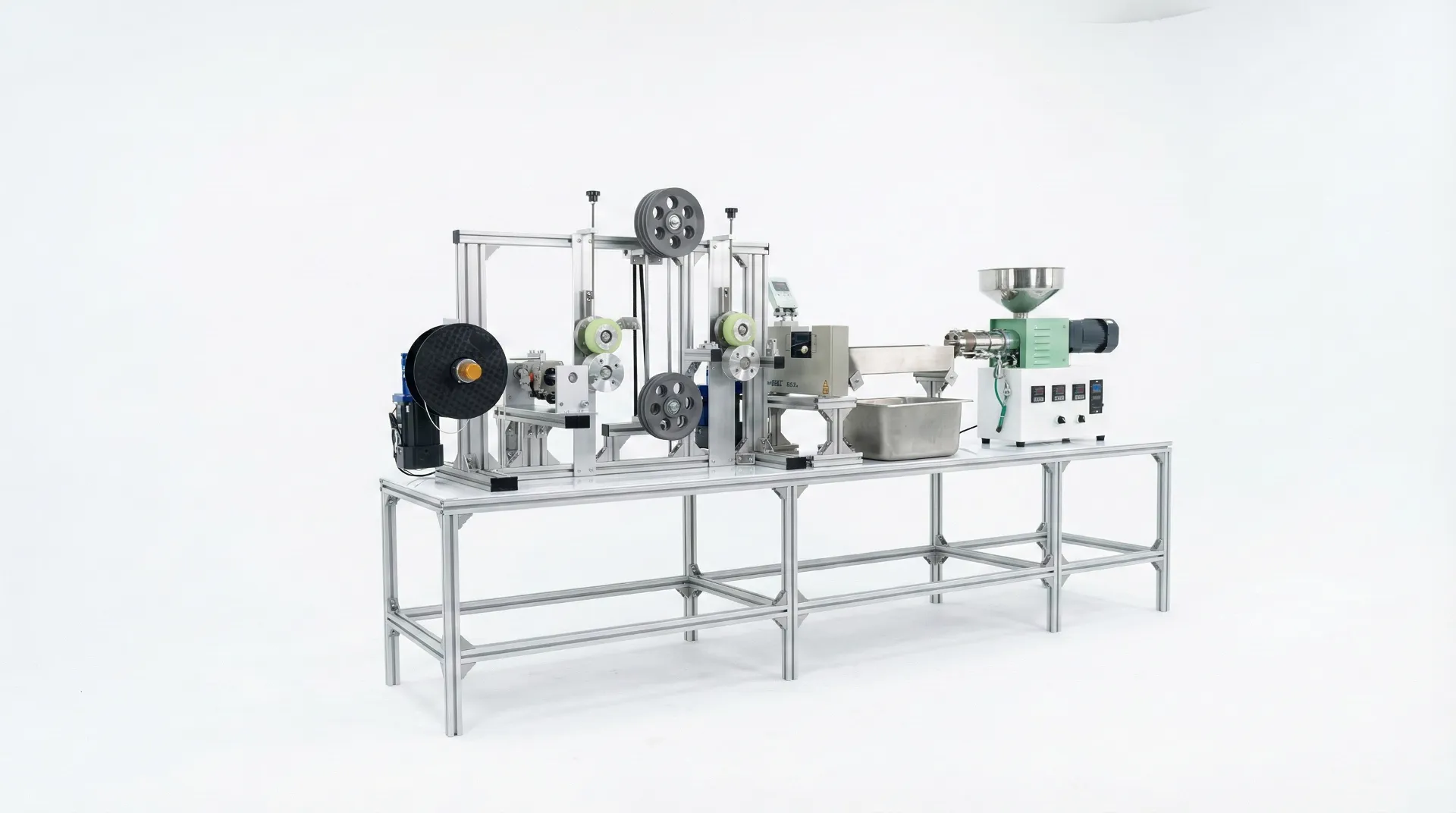
Laat de gedroogde vlokken door een filamentextruder lopen en controleer de temperatuur op basis van materiaaltype, extrusiesnelheid en koeling. Veel moderne systemen bieden diameterafstelling en windingondersteuning. Voor gebruikers die robuustere recycling-georiënteerde hardware willen, kun je ook apparatuursoplossingen van Rumtoo Machine for small-scale to professional-grade reprocessing needs.
Spool and Store Correctly
Good storage preserves the work you just did.
Spool filament evenly and store it in airtight containers with desiccant packs. Many filaments re-absorb moisture quickly, which can degrade print quality even if extrusion was successful.
Other Practical Ways to Recycle 3D Printing Waste
Use a Recycling Service
A good option when you have volume but do not want to manage equipment.
Some local recycling centers and specialized services accept 3D printing waste (often PLA). Look for programs that explicitly handle technical plastics and provide sorting guidance.
Donate Scraps to Schools, Makerspaces, or Art Programs
A practical route for clean, sorted waste streams.
Community programs often repurpose scraps for educational demonstrations, creative projects, or low-risk prototyping. This approach reduces waste while supporting local innovation.
Buy Recycled Filament (and Close the Loop)
Purchasing recycled materials strengthens the market for circular supply chains.
When you purchase rPET, rPLA, and other recycled filaments, you directly reduce reliance on virgin polymer and help normalize closed-loop manufacturing in additive workflows.
Tips for Reducing 3D Printing Waste
- Optimize designs: Reduce supports and overhangs where possible to cut scrap at the source.
- Slice efficiently: Improve bed adhesion and dialing-in profiles to reduce failed prints and wasted time.
- Choose recyclable filaments strategically: If you plan to recycle, standardize your material set instead of mixing many polymers.
- Reuse spools: Choose refill systems or reuse spools to reduce packaging waste.
When you combine waste prevention with recycling, you typically reduce material spend over time and improve operational efficiency—especially for high-volume printing environments.
Veelgestelde vragen
Can PLA be composted instead of recycled?
PLA can compost under industrial composting conditions. Most home compost systems do not reach the temperature and stability needed for reliable PLA breakdown, so recycling or controlled disposal is often more realistic.
Can I mix different filament types when recycling?
No. Mixing different polymers can cause contamination, inconsistent extrusion, weak prints, and unreliable mechanical properties. Recycle each material type separately.
Is recycled filament as reliable as new filament?
It can be, if you control sorting, drying, and extrusion stability. In practice, recycled filament may show slightly more diameter variation or brittleness if the input contains impurities. Better preparation and robust equipment reduce these issues.
What equipment do I need to start recycling filament at home?
A typical baseline setup includes a shredder (or grinder), a dryer, and a filament extruder with a stable puller/cooling path. If you want higher repeatability, choose purpose-built tools from established suppliers.
How does recycling filament impact overall printing costs?
Recycling can reduce material spend over time, especially for frequent printers. The economics depend on your scrap volume and how often you can reuse output successfully; the initial equipment cost is usually offset only when throughput is steady.
Summary: Filament recycling works best when you treat it as a controlled process—separate polymers, dry aggressively, and extrude with stable parameters. When you implement these disciplines, recycling supports sustainability goals while improving long-term cost efficiency.
Want a More Consistent Recycling Setup?
If you plan to recycle filament regularly, focus on repeatability: stable shredding, reliable drying, and extrusion controls. You can also review recycling-oriented equipment options from Rumtoo Machine to scale from hobby use to a more production-minded workflow.