

Plastic recycling is a pivotal process in today's industrial and environmental sectors, converting discarded plastic into valuable new products. This intricate process comprises several stages, including collection, sorting, shredding, cleaning, melting, and pelletizing, each requiring specialized machinery to ensure efficiency and quality. This comprehensive guide elucidates each step of the plastic recycling process, highlights the necessary equipment, discusses the types of plastics that can be recycled, and offers insights to aid industry professionals, buyers, and traders in making informed decisions. Whether you're establishing a new recycling line or optimizing an existing one, understanding these foundational elements is crucial for success.

The world of additive manufacturing has exploded, transforming prototyping, small-scale production, and custom fabrication across countless industries. Yet, for all its advantages, 3D printing relies on a critical consumable: filament. The recurring costs, supply chain dependencies, and plastic waste associated with standard filament spools present significant challenges for professionals and businesses. What if you could create your own filament, tailored to your project's requirements, and reduce your environmental impact?
The plastic recycling process is a multi-stage operation that transforms waste plastic into reusable material. Each stage is essential for maintaining the quality and purity of the recycled output. Below, we dissect the process step by step, detailing the machinery involved and its functions.
### 1. Collection
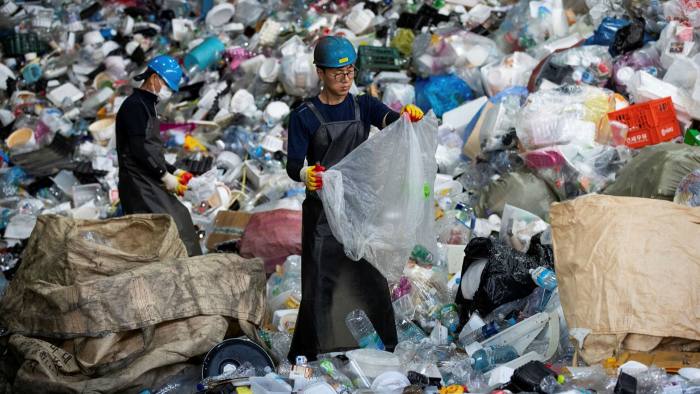
The initial step involves gathering used plastic from various sources, such as households, industries, and commercial establishments. Methods include curbside pickup, drop-off centers, and industrial waste collection. Efficient collection systems are paramount for ensuring a consistent supply of material for recycling facilities.
### 2. Sorting
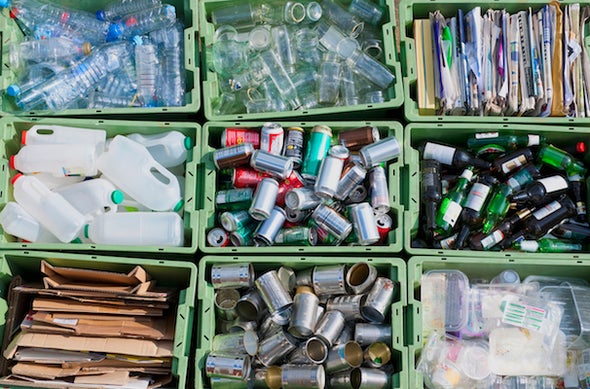
Once collected, plastics must be sorted by type, as different polymers require distinct recycling processes. Common types include PET (Polyethylene Terephthalate), HDPE (High-Density Polyethylene), PVC (Polyvinyl Chloride), LDPE (Low-Density Polyethylene), and PP (Polypropylene). Automated sorting systems, often utilizing infrared technology, expedite categorization, reducing contamination and enhancing recycling yields.
### 3. Shredding/Granulating

Following sorting, plastics are shredded or granulated into smaller pieces to facilitate melting and reforming. Shredders and granulators reduce large items into flakes or pellets, making them easier to handle in subsequent stages. This step is crucial for homogenizing the material and preparing it for cleaning.
### 4. Cleaning

Cleaning removes impurities such as dirt, labels, adhesives, and residues. This is typically achieved through washers that employ water, detergents, and occasionally chemicals like caustic soda. Proper cleaning ensures that the recycled plastic meets quality standards for reuse, particularly in food-grade applications.
5. Melting

The cleaned plastic flakes undergo the process of melting in extruders or agglomerators. This involves heating the plastic to a precise temperature, at which it becomes molten and can be molded into various shapes. This critical phase is instrumental in determining the viscosity and workability of the plastic for the subsequent pelletizing process.
6. Pelletizing

Resource: Rumtoo Machine
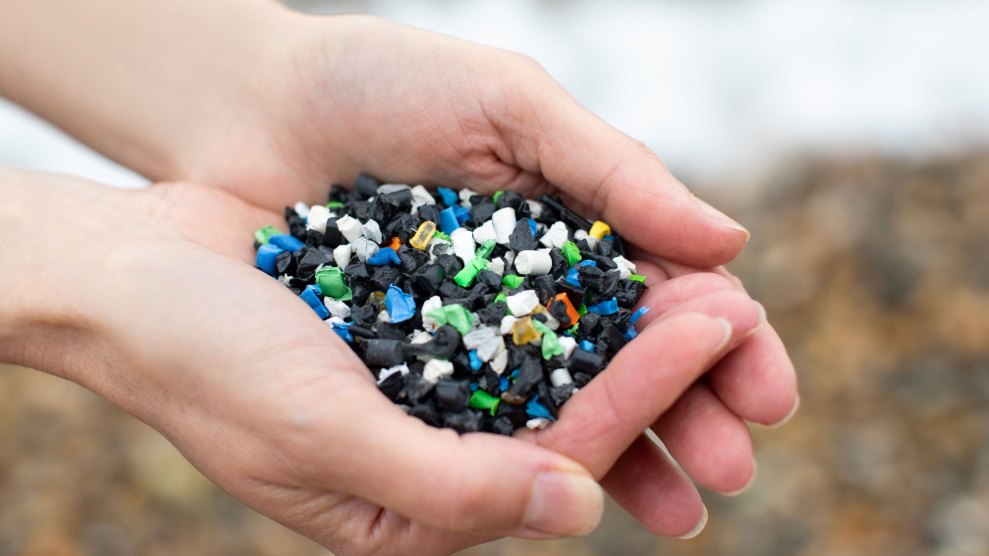
Following the melting stage, the plastic is transformed into pellets through a specialized pelletizing machine. These pellets are characterized by their uniform size and shape, making them highly suitable for the manufacturing of new products. This final step in the recycling process yields a commodity that can be readily sold and repurposed across various industries.
Types of Recyclable Plastics and Their Characteristics
Not all plastics are alike, and recognizing their unique properties is essential for effective recycling. Below is a summary table outlining common recyclable plastics, their typical applications, and key considerations for their recycling:
| - **Polypropylene (PP)**: PP is known for its toughness and resistance to heat and chemicals, making it suitable for food containers, yogurt cups, and bottle caps. | Common Uses | Recycling Characteristics |
|---|---|---|
| PET | Beverage bottles, food containers | High strength, transparency, and food-safe after recycling |
| HDPE | Milk jugs, shampoo bottles | Durable, resistant to chemicals, easily recyclable |
| PVC | Pipes, Tubing | Recyclable materials, yet careful handling is necessary due to the chlorine content. |
| LDPE | Plastic Bags, Packaging Films | Flexible, lightweight, and recyclable with the aid of specialized machinery. |
| - Material: PET | Food Containers, Automotive Parts | Heat-resistant, sturdy, and widely recycled. |
Essential Machinery in a Comprehensive Plastic Recycling Line

Resource: Rumtoo Machine
A complete plastic recycling line is made up of various machines, each serving a distinct purpose. Here’s an overview of the primary equipment:
- Belt ConveyorConveyor: Moves plastic waste or flakes between machines smoothly.
- EtikettfjernerLabel Remover: Effectively strips labels without the use of water, maintaining flake quality.
- Manual Sorting Belt: Enables personnel to eliminate residual contaminants such as PVC or labels.
- Plastic Crusher/Shredder: Minimizes plastic into fragments or pellets for further processing.
- Horizontal Screw Loader: Facilitates the transportation of materials to the subsequent stage, maintaining a steady flow.
- Floating Washer: Employs water to segregate lightweight pollutants like PP and PE.
- Low-Speed Friction Washer: Eliminates sand, mud, and substantial dirt via abrasion.
- 热洗机Aplica calor para derretir aceites y adhesivos.
- High-Speed Friction WasherLimpia adicionalmente el material eliminando partículas finas.
- Lavadora de Spráy (Opcional)Rince químicos como la soda cáustica.
- Maquinaria de FundiciónCalienta y derretir flitas limpias en una banda continua.
- PelletizerMoldeadora de Películas.
- Centrifugal DryerCorta plástico fundido en pelotas uniformes.
- Reduce el contenido de humedad a alrededor del 2%.Secadora de Tubo.
- Packaging System: Collects and packages finished pellets for distribution.
- Electric Cabinet: Controls and automates the entire recycling line.
Investing in a well-integrated line from a reliable supplier like Rumtoo Machine ensures high efficiency, output quality, and return on investment.
Industry Trends and Best Practices for 2022
The plastic recycling industry is evolving rapidly, driven by environmental regulations and technological advancements. Key trends include:
– Automation:Increased use of AI and robotics for sorting and processing.
– Circular Economy: Focusing on creating products that facilitate easier recycling processes.
– Energy Efficiency: Equipment with reduced energy usage and increased output capacity.
– Global Standards: Compliance with worldwide quality and safety regulations.
For enterprises, collaborating with seasoned machinery suppliers such Rumtoo Machine can assist in embracing these trends and adopting optimal practices.
Preguntas Frecuentes (FAQ)
Q: What is the most intricate aspect of the plastic recycling procedure?
A: Sorting is typically the most difficult phase because of the diversity of plastic types and the presence of impurities. Advanced sorting technologies are essential for effectiveness.
Q: Is it possible to recycle all types of plastic together?
A: No, various plastics necessitate separate treatment due to their melting points and chemical characteristics. Combining them can result in contamination and subpar output quality.
Q: Como debo elegir la maquinaria de reciclaje adecuada para mis necesidades?
A: Debe considerar factores como el tipo de plástico, la capacidad de salida deseada, el espacio disponible y el presupuesto. Consultar con expertos, como los de Rumtoo Machine , puede proporcionar soluciones personalizadas.
Q: ¿Qué beneficios ofrece el uso de plástico reciclado en forma de granulados?
A: Los granulados son uniformes, fáciles de transportar y ideales para la fabricación de nuevos productos, ofreciendo consistencia y reduciendo el desperdicio.
Q: ¿Cómo puedo mejorar la eficiencia de mi línea de reciclaje?
A: La mantenimiento regular, la formación del operador, y la actualización a equipos modernos y eficientes en términos de energía pueden mejorar significativamente el rendimiento y la calidad de la salida.
Recycled ABS filament embodies the synergy of performance, affordability, and environmental stewardship. It provides the resilience and adaptability needed for industrial-scale applications, while aligning with sustainable manufacturing objectives. As technology and material science advance, rABS emerges as a pragmatic, forward-thinking option for professionals committed to innovation and ecological responsibility. By incorporating recycled materials into your production process, you not only optimize operational efficiency but also make a significant contribution to a more environmentally conscious world.
Entender el proceso de reciclaje de plásticos y la maquinaria involucrada es esencial para cualquier persona en la industria, desde los operadores hasta los comerciantes internacionales. Cada paso, desde la recolección hasta la pelletización, requiere de equipos precisos para garantizar un material reciclado de alta calidad. Al mantenerse informado sobre los plásticos reciclables, las tendencias de la industria y las mejores prácticas, las empresas pueden optimizar sus operaciones y contribuir a un futuro sostenible. Para equipos confiables y asesoramiento experto, considere Rumtoo Machine como su socio en la construcción de una línea de reciclaje eficiente y rentable.
