
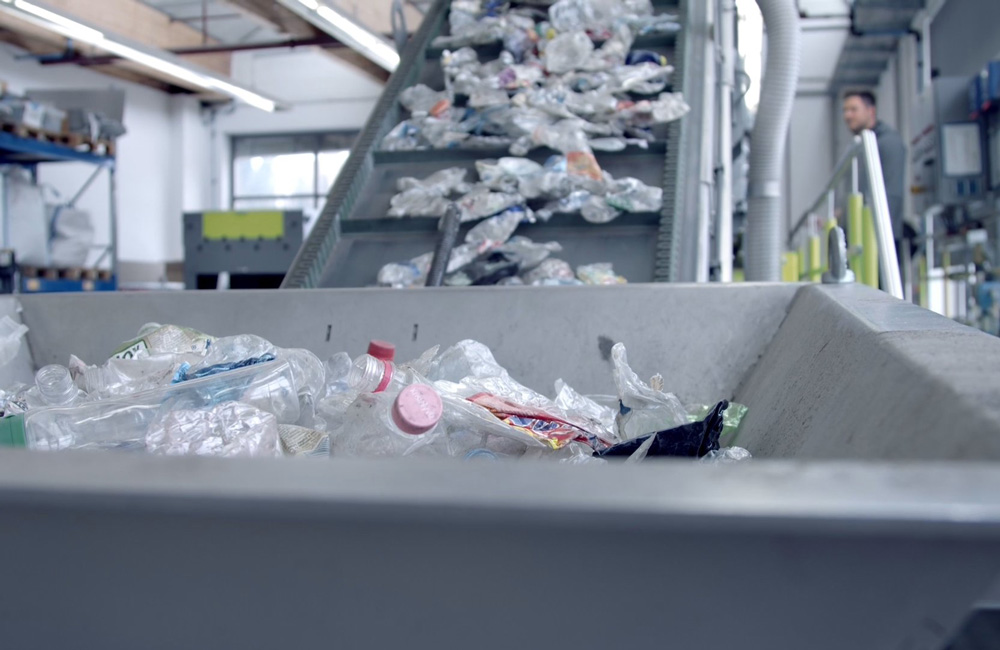
### The Critical Role of Plastic Sorting in Modern Recycling.
Waste plastics, a ubiquitous recyclable material worldwide, necessitate meticulous sorting to maximize recycling efficiency, minimize environmental impact, and augment the economic value of recovered materials. For industry professionals and international traders, a deep understanding of the machinery and methodologies for sorting plastic from crushed waste is indispensable. This guide offers a thorough insight into sorting techniques, equipment selection, and best practices aimed at optimizing your plastic recovery process.

### Key Benefits of Advanced Plastic Sorting.
#### Material-Specific Sorting.
This approach enables the production of higher-quality recycled products with consistent material properties, crucial for maintaining the integrity and functionality of the final products.
- #### Color SeparationBy separating plastics based on color, the process ensures visually uniform materials, ideal for applications requiring aesthetic consistency, such as packaging and consumer goods.
- #### Condition-Based SortingThis method focuses on sorting plastics according to their condition, ensuring that materials are appropriately categorized for recycling, thereby enhancing the efficiency and effectiveness of the recycling process.
- Condition-Based Sorting: Identifica e separa materiais com base na qualidade e níveis de contaminação
- Aumento de Lucratividade: Materiais de maior pureza exigem preços de mercado melhores
- Environmental Compliance: Atende a padrões de reciclagem e sustentabilidade cada vez mais rigorosos
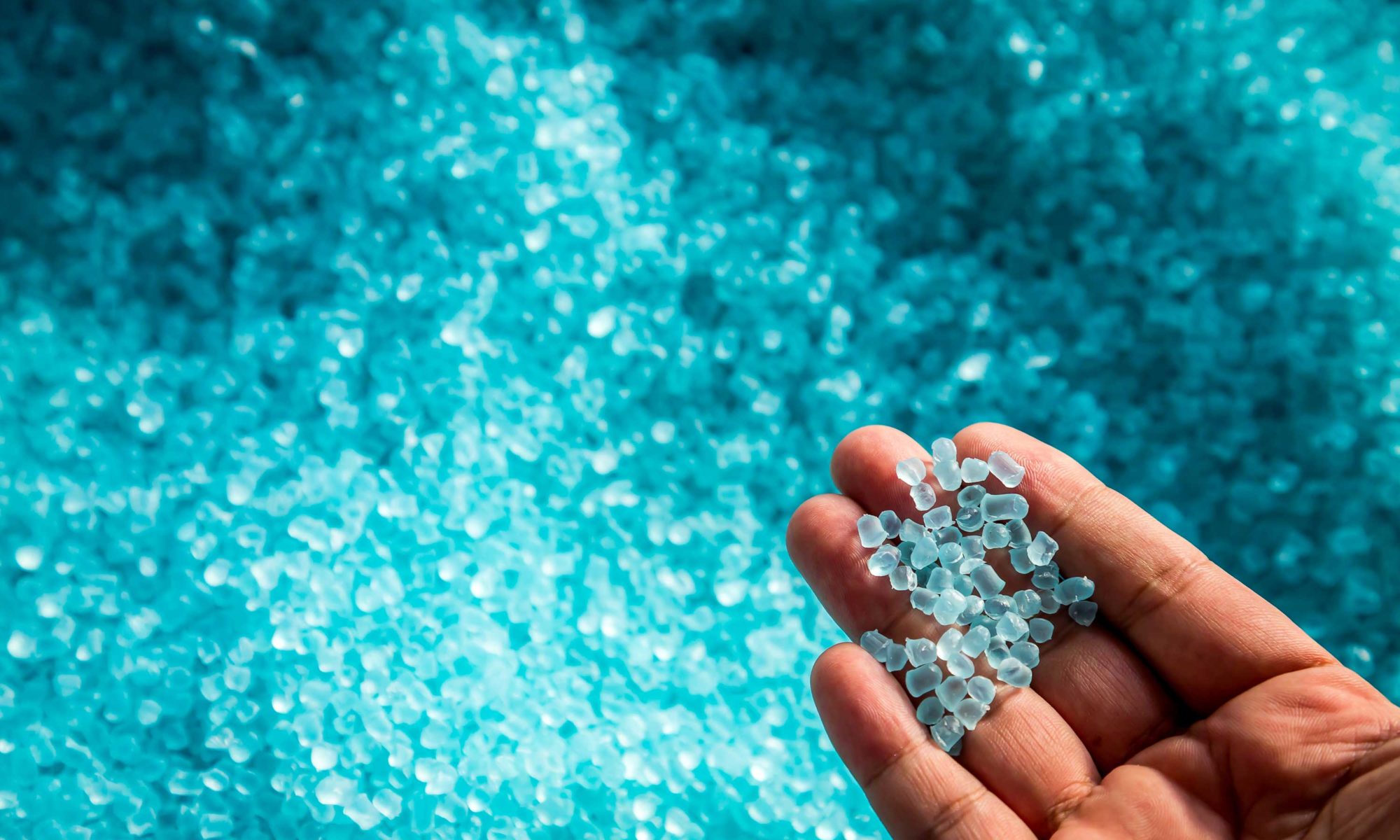
O valor econômico do plástico reciclado está diretamente relacionado à pureza do material. Plásticos unimateriais sem contaminação são significativamente mais valiosos e adequados para aplicações de remanufatura de alta qualidade. Por exemplo, materiais triturados de eletrodomésticos como refrigeradores e condicionadores de ar geralmente contêm glicerina de silício, metais e outros contaminantes que reduzem seu valor de mercado sem uma separação adequada.
Materiais Reciclados de Plástico Comuns e suas Propriedades
A indústria de reciclagem de plástico processa numerosos tipos de materiais, cada um com características distintas e requisitos de reciclagem:
| - **Polypropylene (PP)**: PP is known for its toughness and resistance to heat and chemicals, making it suitable for food containers, yogurt cups, and bottle caps. | Common Applications | Desafios na Reciclagem |
|---|---|---|
| - ABS | Coberturas de eletrônicos, peças automotivas | Geralmente contêm retardadores de chama |
| PS | 包装,一次性容器 | 脆性,易受污染 |
| - Material: PET | 汽车部件,容器 | 与污染物密度相似 |
| PET | Beverage bottles, food containers | PVC污染问题 |
| PVC | 管道,地板,医疗设备 | 燃烧时的氯含量,有毒 |
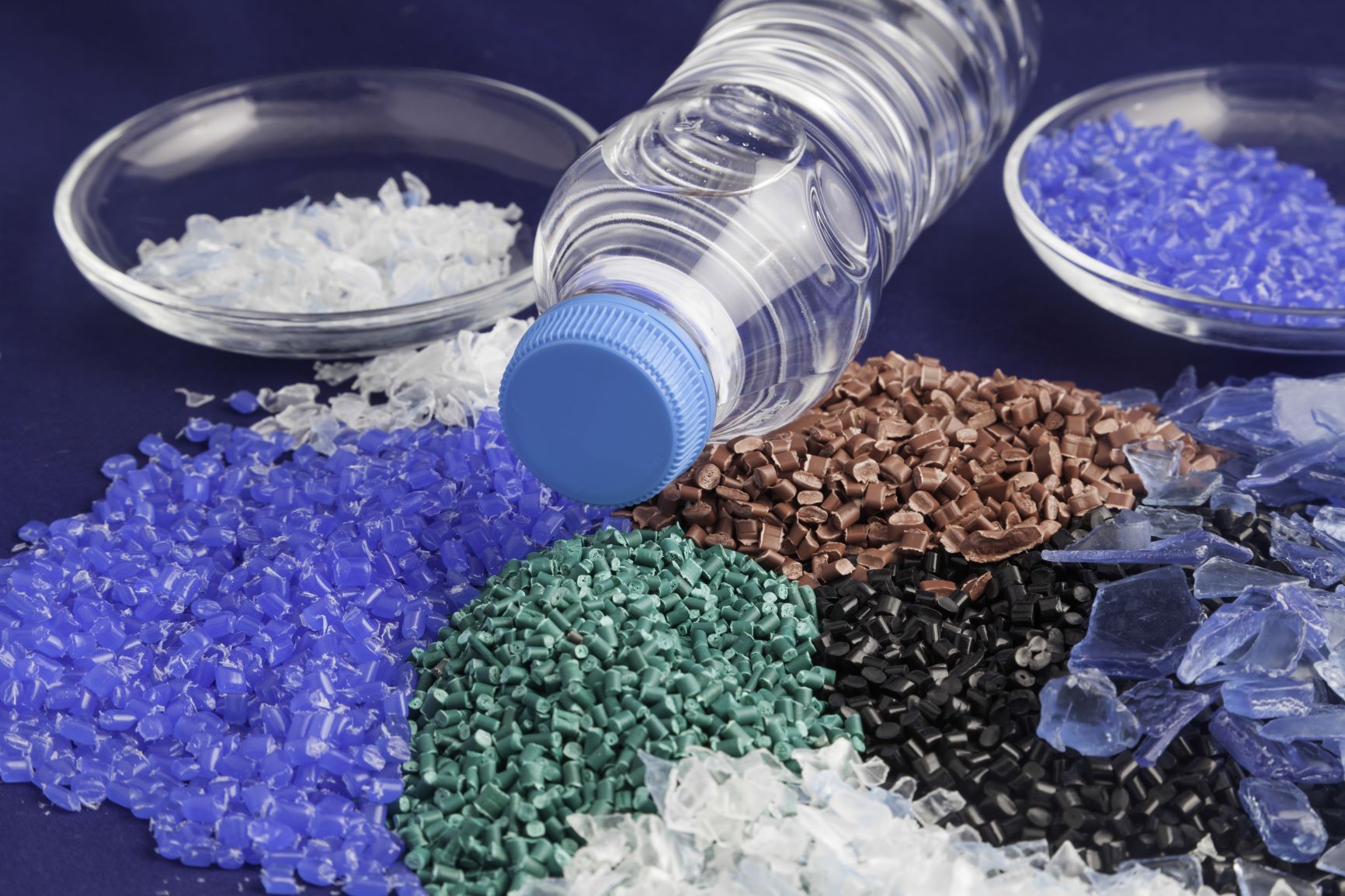
高级破碎塑料材料分拣技术
主要分拣与污染物去除
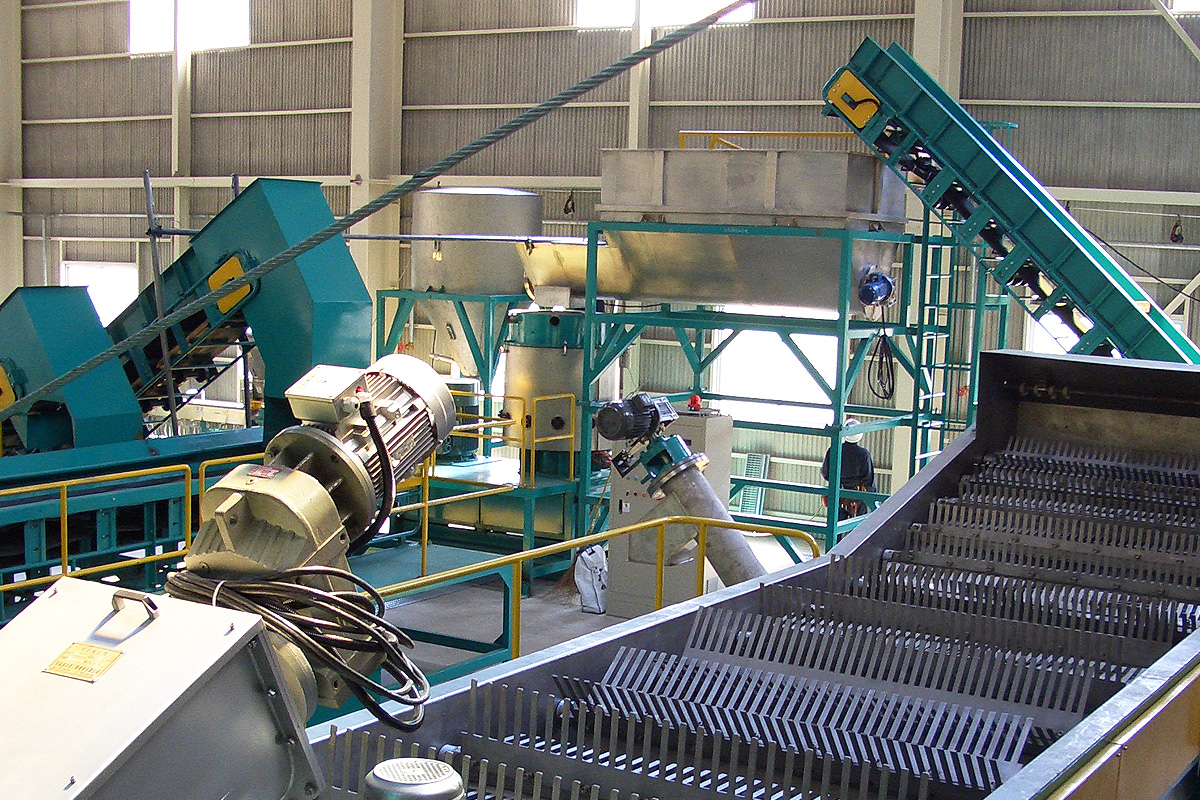
自动化分拣机器 Form the backbone of contemporary plastic recycling endeavors. These units adeptly purge silica gel, rubber, wood chips, dust, and various contaminants from plastic substrates, making them suitable for the treatment of fragmented domestic appliance remnants. Rumtoo Machine Presents cutting-edge sorting systems tailored for intricate material flows.
Density-Based Separation Systems
Employ density disparities to segregate materials. In aqueous systems, PP materials usually float whereas other plastics sink. Saline solutions facilitate the separation of ABS, PS, and other materials based on their specific gravity differences. These systems efficiently segregate materials but might necessitate supplementary processing to eliminate residual contaminants. Optical Sorting Solutions.
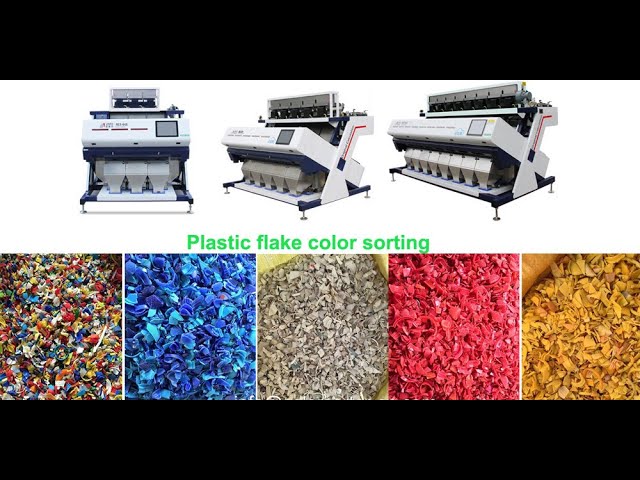
Color Sorting Machines
Offer precise color-based separation capabilities. These sophisticated systems utilize optical sensors to identify and segregate materials by color, significantly augmenting the value of sorted materials for specific applications where color uniformity is paramount. Electrostatic Separation Technology.
Electrostatic Sorting Machines
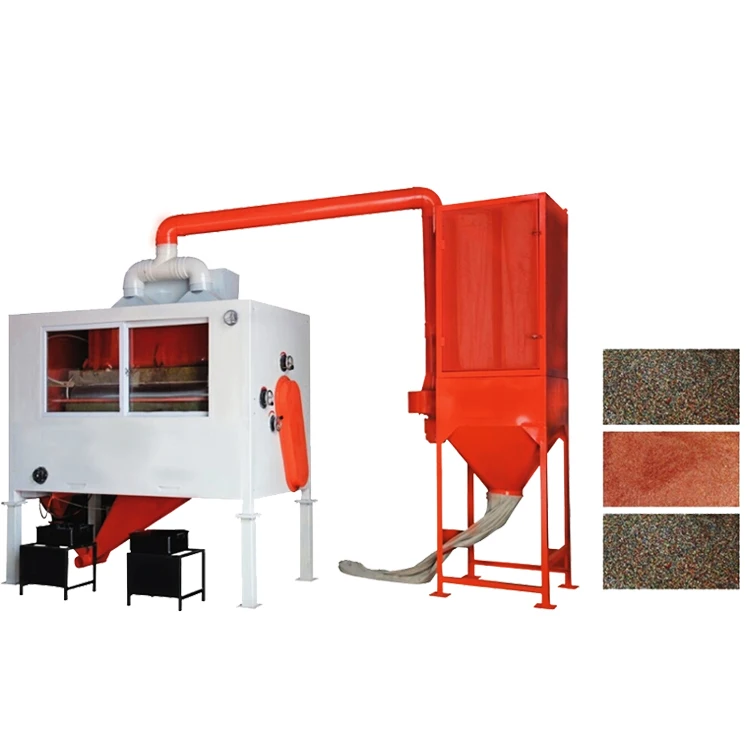
Electrostatic Sorting Machines 利用不同塑料类型的电气特性差异实现高纯度分离。此类系统通常能够同时分离两种至三种不同的材料,随着加入更多材料类型,分离效率会逐渐降低。.
专门化分拣应用
PET瓶回收系统
PET瓶分拣机 专注于从其他塑料中分离PET材料,特别是PVC和PE杂质。这些系统通常采用高压静电技术,以实现对食品级PET回收所需的精确分离。.
PVC去除的关键重要性
PVC在塑料回收过程中带来重大挑战,因其不可降解的性质和潜在的环境危害。焚烧PVC会释放有毒气体,因此正确的分离对于环境保护和产品质量至关重要。有效的PVC去除确保符合环境法规,并保持回收材料的质量。.
回收塑料材料的应用
经过分类和净化的塑料材料在多个行业中找到应用:
- Manufacturing: 新瓶子、容器和包装材料
- ConstructionBuilding materials, piping, and insulation products
- AutomotiveInterior components, under-hood parts, and exterior trim
- Consumer GoodsToys, furniture, and household products
- Energy Efficiency:Alternative fuel production and energy generation
Environmental and Economic Benefits of Advanced Plastic Sorting
Implementing modern sorting technologies offers substantial advantages:
- Охрана ресурсовReduces the need for virgin materials
- Pollution ReductionMinimizes the environmental footprint of plastic waste
- Energy EfficiencyRecycling generally requires less energy than producing virgin materials
- Economiska möjligheter: Skapar jobb och affärschanser inom recyclingindustrin
- KarbonutsläppminskningCarbon Footprint Reduction
Часто задаваемые вопросы
Fråga: Vad är den effektivaste metoden för att sortera mörda plastmaterial?
Svar: För komplexa mörda material, en kombination av densitetsseparation, elektrostatis sortering och optisk sortering ger vanligtvis bästa resultat. Preciseringen beror på materialkomposition och önskad utgångsnyckelkvalitet.
Fråga: Hur fungerar elektrostatis sortering för plast?
Svar: Elektrostatis sortering använder skillnader i elektriska konsistens mellan plasttyper. Material erhåller en elektrisk laddning och sorteras baserat på hur de interagerar med laddade platser eller roller.
Fråga: Vad är den maximala puritet som moderna sorteringsmaskiner kan uppnå?
Svar: Avancerade sorteringsystem från producenters som Rumtoo Machine kan uppnå puritetsevner över 98% för många materialkombineringar, beroende på initierande kontaminationsnivåer och materialegenskaper.
Q: Quán trọng như thế nào của việc phân loại màu trong tái chế nhựa?
A: Việc phân loại màu có ảnh hưởng đáng kể đến giá trị vật liệu, đặc biệt là đối với các ứng dụng mà tính nhất quán màu sắc là quan trọng. Việc phân loại màu đúng cách có thể tăng giá trị vật liệu lên 20-50% T3T dựa trên điều kiện thị trường.
Q: Những máy móc nào cần bảo dưỡng cho việc phân loại nhựa?
A: Bảo dưỡng định kỳ bao gồm việc làm sạch cảm biến, kiểm tra các thành phần cơ khí và cập nhật phần mềm. Hầu hết các hệ thống hiện đại đều có khả năng tự chẩn đoán và giám sát từ xa để đảm bảo hiệu suất tối ưu.
Q: Có thể máy móc phân loại xử lý được vật liệu ướt hoặc bẩn không?
A: Trong khi nhiều hệ thống có thể xử lý vật liệu với một số nhiễm bẩn, hiệu suất tối ưu thường yêu cầu việc làm sạch trước. Các khả năng cụ thể có thể thay đổi tùy thuộc vào loại máy móc và các quy định của nhà sản xuất.
Recycled ABS filament embodies the synergy of performance, affordability, and environmental stewardship. It provides the resilience and adaptability needed for industrial-scale applications, while aligning with sustainable manufacturing objectives. As technology and material science advance, rABS emerges as a pragmatic, forward-thinking option for professionals committed to innovation and ecological responsibility. By incorporating recycled materials into your production process, you not only optimize operational efficiency but also make a significant contribution to a more environmentally conscious world.
Tính năng phân loại nhựa hiệu quả từ các nhà sản xuất hàng đầu như Rumtoo Machine, có thể giúp các hoạt động tái chế cải thiện đáng kể độ tinh khiết của vật liệu, tăng lợi nhuận và đóng góp vào sự bền vững môi trường. Sự phát triển liên tục trong công nghệ phân loại tiếp tục cải thiện hiệu suất và mở rộng khả năng tái chế nhựa, làm cho việc chọn và vận hành thiết bị phù hợp ngày càng quan trọng đối với sự thành công trong thị trường tái chế cạnh tranh ngày nay.
