

In the competitive landscape of plastic recycling, understanding the machinery that drives efficiency is crucial. Plastic granulators are indispensable for reducing large plastic waste into manageable, recyclable granules. This guide delves into nine critical aspects every industry professional should know about plastic granulators, from operational mechanics to selection criteria, ensuring you make informed decisions that boost productivity and sustainability.
Understanding Plastic Granulators
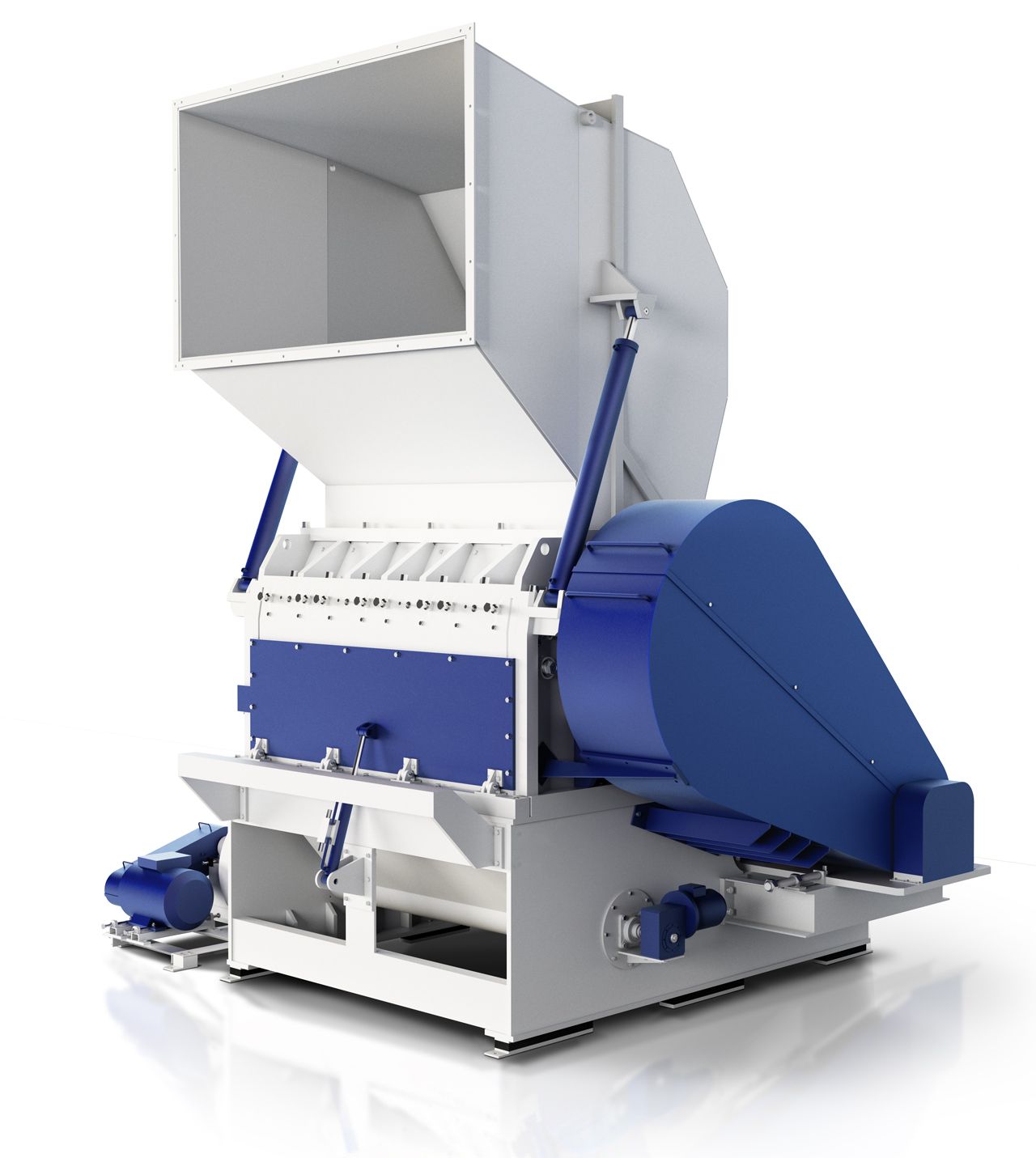
A plastic granulator is a precision-engineered machine designed to break down bulky plastic items into smaller, uniform granules. These granules are easier to handle, transport, and process in subsequent recycling stages. At Machine Rumtoo, we specialize in high-performance granulators that cater to various industrial needs, ensuring optimal size reduction and material consistency.
How Granulators Operate
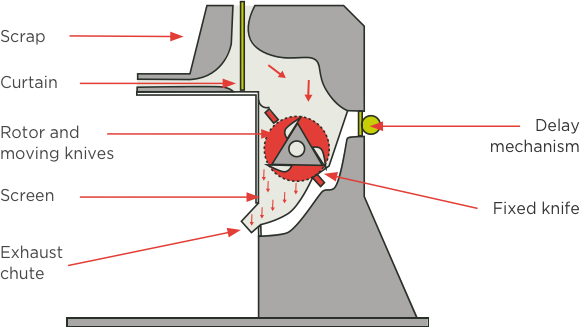
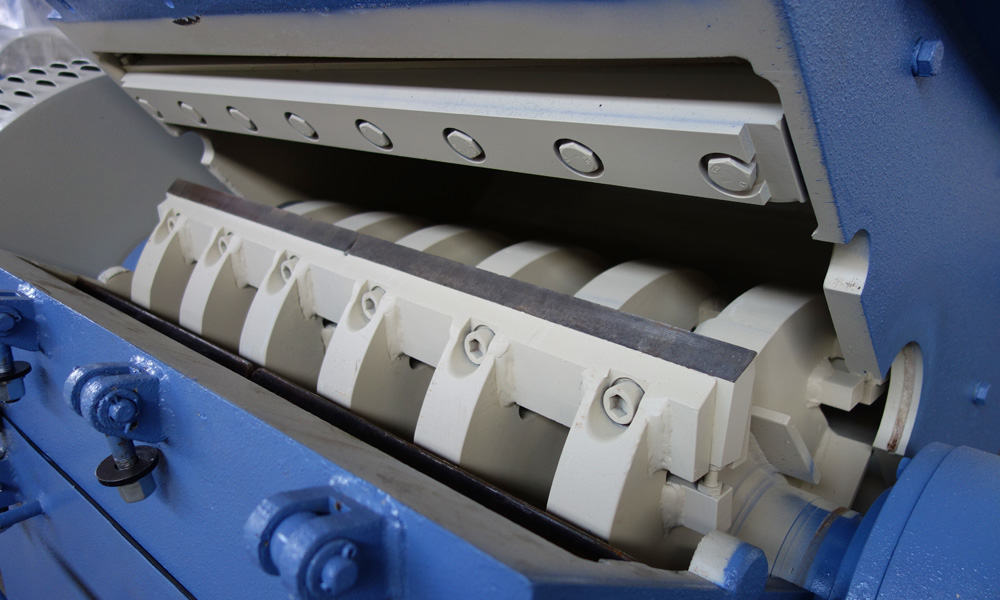
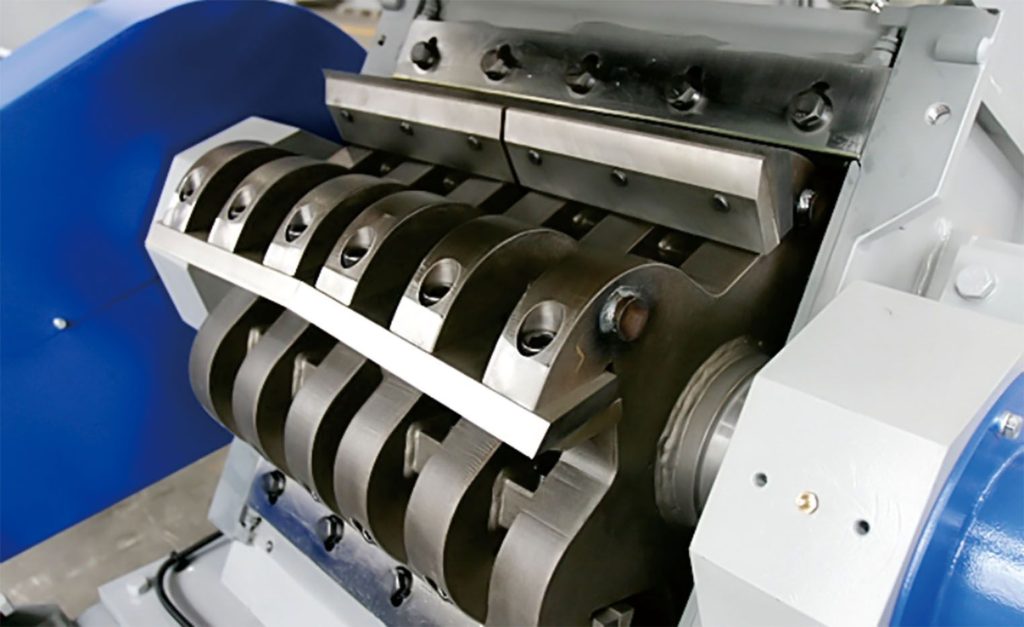
Granulators function through a combination of cutting blades and screens. Material is fed into a hopper, where rotating blades shear it against a stationary bed knife. The resulting particles pass through a screen of specified size, determining the final granule dimensions. This process is efficient, energy-conscious, and tailored to handle diverse plastic types.
Applications in the Recycling Industry
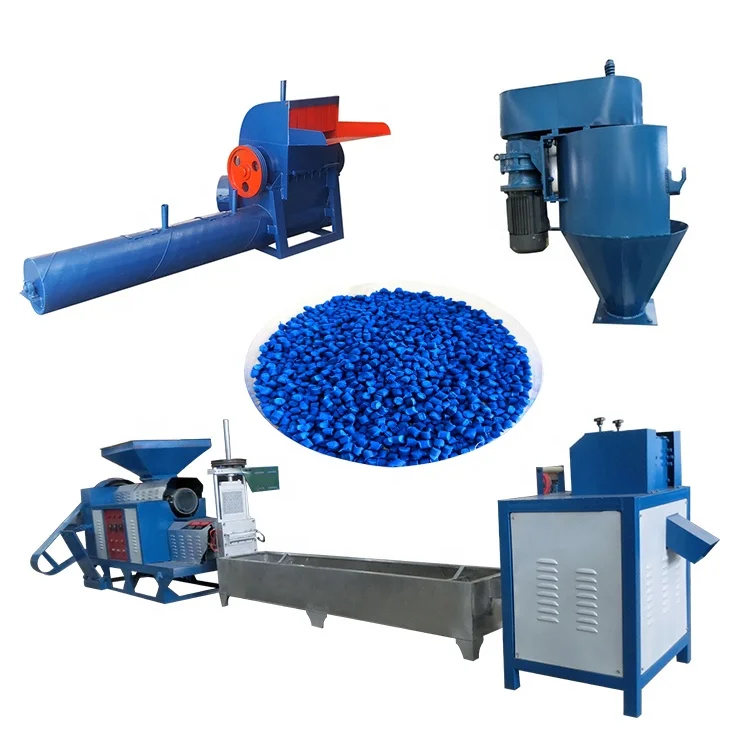
Granulators are versatile, suitable for recycling:
– PET and HDPE from bottles and containers
– PVC from piping and fittings
– LDPE and PP from packaging and films
– Mixed plastics from electronic waste and automotive parts

Types of Granulators
Selecting the right granulator depends on your material and volume requirements:
| Type | Idéal pour | Caractéristiques clés |
|---|---|---|
| Rotary Granulators | Soft plastics (LDPE, PP) | Rotating blades, cost-effective, low energy use |
| Shredder Granulators | Hard plastics (PET, HDPE) | Multiple blades, high torque, robust construction |
Advantages of Using a Granulator
Integrating a granulator into your workflow offers:
– Enhanced Recycling Efficiency: Reduces manual labor and processing time.
– Économies de coût: Lowers disposal fees and increases resale value of recycled material.
– Polyvalence: Handles a wide range of plastic types and sizes.
– Durabilité: Supports circular economy initiatives by improving recyclability.
Selecting the Right Granulator
Consider these factors when choosing a granulator:
– Type de matériau: Match the granulator type to the plastics you process.
– Capacité: Throughput requirements (kg/hour) dictate machine size.
– Power and Energy Use: Balance operational costs with performance needs.
– Maintenance Access: Easy serviceability reduces downtime.
Protocoles de sécurité

Always prioritize safety:
– Ensure materials are dry to prevent blade corrosion.
– Operate in well-ventilated areas and use dust masks.
– Keep the workspace clear of obstructions.
– Follow manufacturer guidelines for operation and maintenance.
Effective Usage Tips

Maximize your granulator’s performance:
– Start with softer plastics to break in the machine.
– Pre-shred hard plastics to extend blade life.
– Regularly inspect and clean blades and screens.
– Monitor output consistency to adjust feed rates.
Pratiques de Maintenance Optimales
Routine maintenance ensures longevity and reliability:
– Lubricate moving parts as specified.
– Sharpen or replace blades periodically.
– Check electrical components and safety switches.
– Keep a log of service activities for predictive maintenance.
Foires aux questions
Q: What is the average lifespan of a granulator?
A: With proper maintenance, a high-quality granulator from Machine Rumtoo can last 10-15 years, depending on usage intensity.
Q: Can granulators handle contaminated plastics?
A: While they can process mildly contaminated materials, pre-washing is recommended to avoid blade damage and ensure output quality.
Q: What is the difference between a granulator and a shredder?
Les granulateurs produisent des granulés uniformes à l'aide de lames de coupe, tandis que les broyeurs déchiquettent le matériau en pièces irrégulières, souvent comme étape préalable à la granulation.
Comment déterminer la bonne taille de maille ?
La taille de la maille dépend de la taille de granulés désirée ; généralement, des mailles de 3 à 10 mm sont utilisées pour la plupart des applications de recyclage.
Les granulateurs sont-ils énergivores ?
Les granulateurs modernes sont conçus pour l'efficacité énergétique, avec une consommation d'énergie variant en fonction de la dureté du matériau et du débit.
Conclusion
Investir dans le bon granulateur en plastique est une décision stratégique qui améliore l'efficacité opérationnelle, réduit les coûts et soutient les objectifs environnementaux. En comprenant les types, les applications et les besoins en maintenance, vous pouvez choisir une machine qui correspond à vos besoins de production. Machine Rumtoo Offre des granulateurs de plastique fiables et leaders de l'industrie, soutenus par un soutien expert. Pour plus d'informations ou pour discuter de vos besoins spécifiques, contactez notre équipe aujourd'hui.
